
Beyond the Shutter: What 20 Years in Corporate Events Taught Me About Managing Client Expectations
Twenty years behind the camera at corporate events
Two decades of conference halls, ballrooms, and trade show floors. Denver. Las Vegas. Everywhere in between.
Here's what nobody tells you about being a corporate event photographer: the actual photography is maybe 40% of the job. The rest? That's managing expectations, reading the room, and knowing when to step in before the marketing director even realizes there's a problem.
If you're a fellow pro or you're vetting photographers for your next major event, this is the stuff that separates a decent shooter from someone who becomes part of your go-to production team.
The Missed Brief That Changed Everything
Early in my career, maybe year three or four, I showed up to photograph a pharmaceutical conference in Denver. Beautiful ballroom. Great light. I delivered 400 stunning images of keynote speakers, breakout sessions, and networking moments.
The client was furious.
Turns out, they needed specific shots of their sponsor banners for contractual proof of placement. Nobody mentioned it in the brief. I didn't think to ask. They ended up hiring a second photographer to come back the next day and recreate what should have been a five-minute task.
That day taught me more about client service than any workshop ever could
Now? Before every event, I walk through a pre-production questionnaire that covers everything from VIP attendees who hate being photographed to specific branding requirements that need documentation. It's not sexy. It's not creative. But it's what keeps production companies calling me back year after year.
What "Managing Expectations" Actually Means
When someone hires a Denver event photographer or books me for a Las Vegas convention, they're not just buying images. They're buying peace of mind.
Here's what I learned matters more than aperture settings:
Before the Event:
Clarify turnaround times (24 hours? 48? Next morning for social media teasers?)
Understand the internal politics (Is the CEO camera-shy? Does marketing need approval before anything goes public?)
Map the critical moments (Don't miss the CFO's retirement announcement because you were shooting the buffet line)
Discuss backup plans (What if the keynote speaker shows up 20 minutes late and throws the whole timeline?)
During the Event:
Stay visible to your main contact without being intrusive
Anticipate lighting disasters before they happen (I've saved countless presentations by spotting a dead projector bulb during setup)
Read attendee energy (If people are exhausted by hour six, your candid shots need to reflect authentic engagement, not forced smiles)
After the Event:
Deliver exactly what you promised, when you promised it
Include the shots they needed but forgot to mention (trust me, they'll remember you fondly)
Organize galleries by session or department, not just chronologically
Make downloads dummy-proof for the 23-year-old intern who got stuck with the social media upload task
The Attendee Experience Nobody Talks About
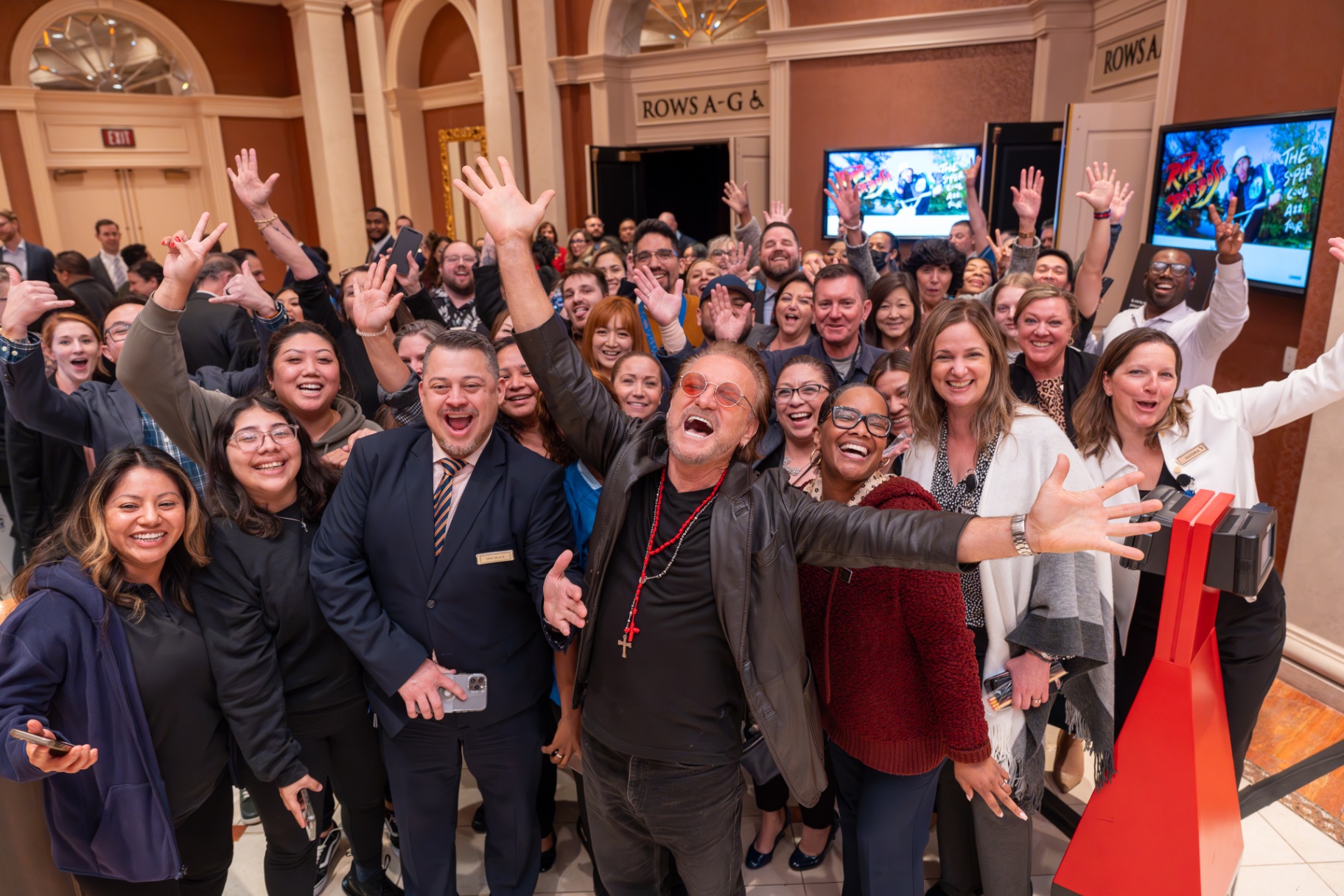
Here's where a lot of conference photographers miss the bigger picture: your presence at an event shapes how attendees experience that event.
I run a lot of headshot programs at conferences. You know the type, a pop-up studio in the hallway where attendees can get a professional LinkedIn photo during breaks. On paper, it's a simple value-add for the event.
In reality? It's theater.
When someone walks up to my headshot station, they're often nervous. They feel awkward. They're comparing themselves to their colleagues. My job isn't just to expose the image correctly, it's to make them feel like they just got five minutes of celebrity treatment.
I've photographed over 3,000 individual headshots across corporate events in the last five years. The technical settings barely changed. What did change? How I coached people through those 90 seconds in front of the lens.
"Chin slightly forward... perfect. Now think about your favorite vacation spot. There it is, that's the shot."
The result? Attendees leave feeling great. They post their new photos immediately. They tag the event. The event planner looks like a genius for including the program. And I get referred to the next event in the circuit.
That's the business of photography that nobody teaches in workshops.
Denver and Vegas: Two Different Animals
I split most of my time between Denver and Las Vegas, and if you think all corporate event photography is the same, you haven't worked both markets.
Denver events tend to be:
More intimate, even at scale
Heavy on tech and energy companies
Attendees who want that "Colorado vibe" to come through in imagery
Venues with incredible natural light (hello, Convention Center windows) but challenging altitude for anyone's cardio
Las Vegas events are:
Massive scale (we're talking 5,000+ attendees regularly)
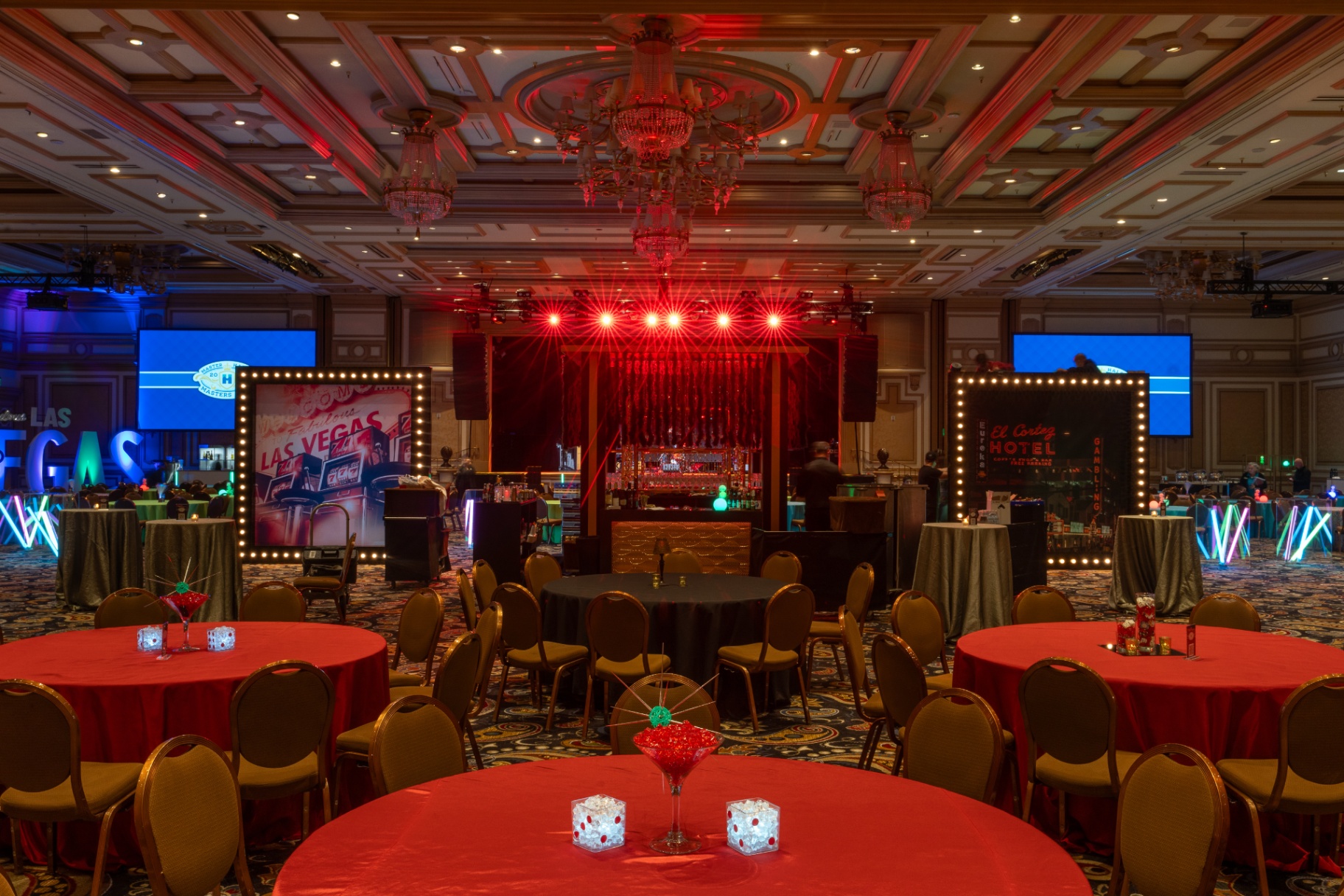
Theatrical in nature: clients expect drama and polish
Casinos that won't let you shoot certain backgrounds without permission
Lighting nightmares (neon + tungsten + LED = color correction hell)
The expectations are different too. A corporate event photographer in Las Vegas needs to deliver glamour even in a windowless ballroom at 10 AM. Denver clients want authentic, relaxed moments that still look polished.
Understanding these nuances? That's 20 years talking.
The Logistics Nobody Sees
Let me tell you about a conference I shot last year at the Pepsi Center (I know, it's Ball Arena now: old habits).
3,200 attendees. Eight breakout rooms. Two keynote sessions. Four sponsor activations. One VIP dinner. And a headshot program that promised everyone could get their photo taken during the two-day event.
The event planner's biggest fear? That the photographer (me) would become a bottleneck or miss critical moments because I was spread too thin.
My solution? I built a shot list timeline that accounted for travel time between rooms. I positioned my headshot setup 40 feet from the main ballroom entrance. I hired a second shooter for four strategic hours to cover overlapping sessions. I delivered a live Dropbox link where their social media manager could grab images every two hours for real-time posting.
Nothing groundbreaking. Just logistics. Just managing expectations.
The planner told me afterward: "You made me look so good to my executives."
That's the repeat business formula right there.
What High-End Clients Actually Care About
If you're a production company or marketing director vetting photographers, here's what you should be asking:
"Walk me through your backup equipment plan if your main camera fails"
"How do you handle lighting in venues with challenging mixed sources?"
"What's your turnaround time if we need rush delivery for a PR crisis?"
"Have you worked with our venue before? What should I know?"
"Can you deliver images formatted specifically for our website's aspect ratio?"
Notice what's missing? Questions about camera gear or artistic vision.
At this level, we assume technical excellence. What matters is whether I understand the pressure you're under, the stakeholders you're answering to, and the fire drills that inevitably happen.
I've shot corporate events where the CEO rewrote their keynote 30 minutes before showtime. Where sponsor logos changed overnight. Where "just a few casual shots" turned into "we need these for the annual report by Monday."
Your photographer needs to be the calmest person in the room when everything's going sideways.
The Peer Conversation
For my fellow photographers reading this: you already know the technical stuff. You know how to expose an image in a low-light ballroom. You know how to work around that one awkward pillar in every convention center.
What took me years to figure out was this: our real value is absorbing complexity so our clients don't have to.
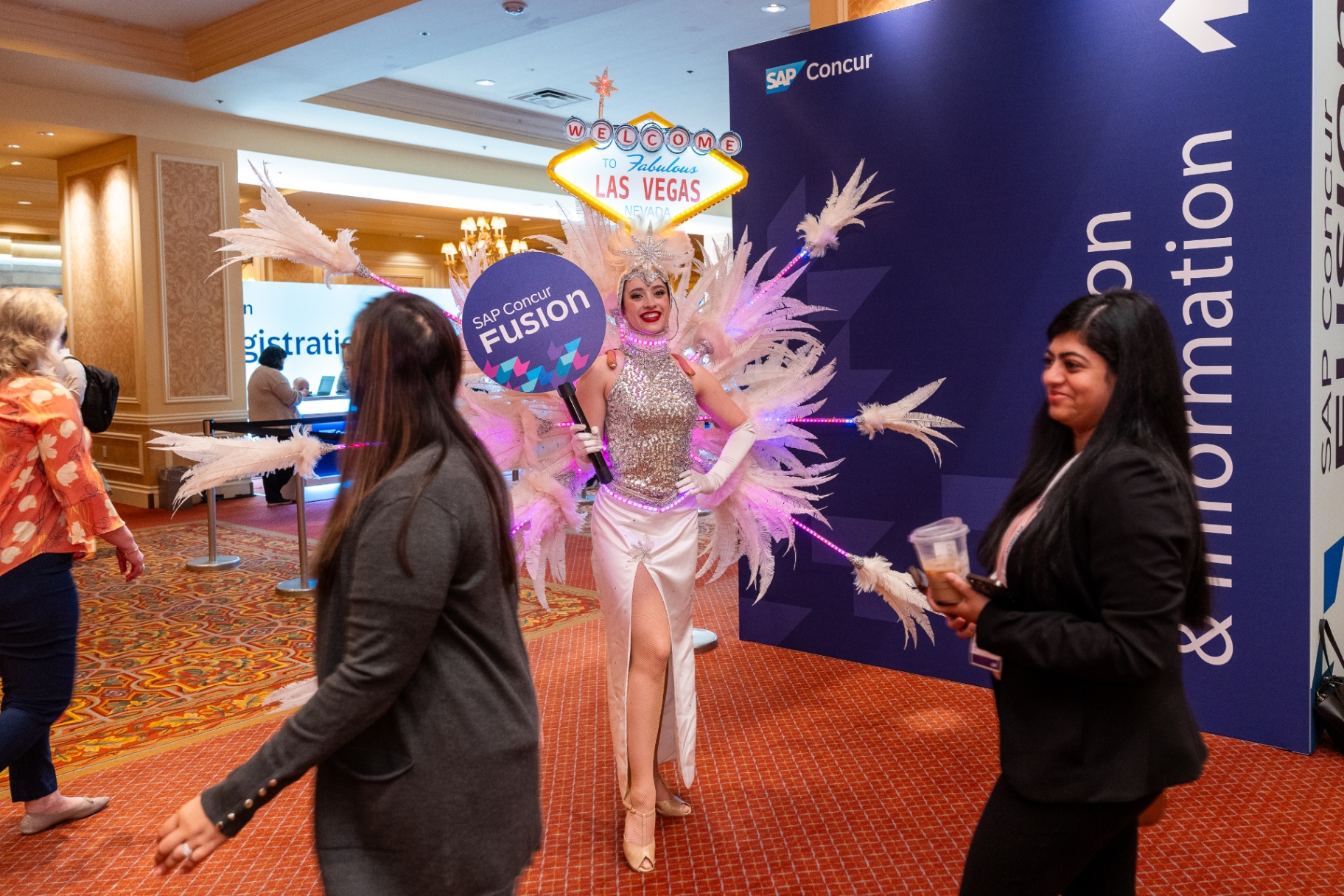
When I show up to an event, I'm not just a vendor. I'm part of the production team. I'm watching the timeline. I'm backing up the event coordinator when they need someone to wrangle VIPs for a group shot. I'm texting the AV team when I spot a technical issue during rehearsal.
That's the maturity that comes with 20 years in the industry.
And honestly? That's what keeps me getting hired by the same production companies, event planners, and corporate clients year after year: in Denver, Las Vegas, and everywhere between.
The Real Deliverable
At the end of the day, great event photography isn't just about delivering images. It's about delivering confidence.
Confidence that your event will be documented properly. Confidence that your attendees will have a positive experience. Confidence that when something unexpected happens, your photographer will adapt without creating more stress.
That's what two decades in this business has taught me. The shutter is just the easy part.
If you're planning an event and need someone who gets it, let's talk. I promise the conversation will be more about your goals than my camera settings.
Comments